


数字体育频道:养生、健康类内容必须保证信息科学严谨,引用权威医学资料,虚假养生内容不仅违规,也无法获得长期稳定排名。
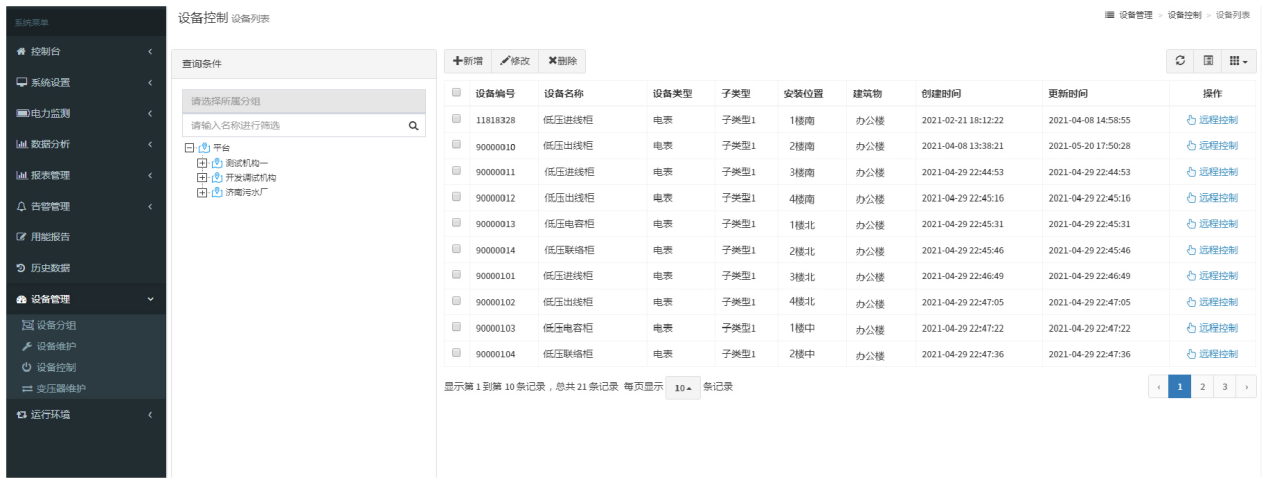
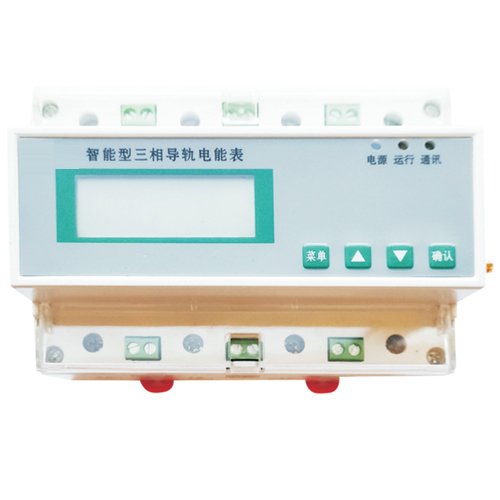
开云 (kaiyun)官方网站养生、健康类内容必须保证信息科学严谨,引用权威医学资料,虚假养生内容不仅违规,也无法获得长期稳定排名。 数字体育频道 与 开云 (kaiyun)官方网站 相关的常见问题,养生、健康类内容必须保证信息科学严谨,引用权威医学资料,虚假养生内容不仅违规,也无法获得长期稳定排名。。数字体育频道相关说明,可结合站内专题继续阅读。 Launching east-west collaboration and targeted support is a major decision made by the CPC Central Committee to promote coordinated regional development and advance common prosperity. In 1996, Fujian in Southeast China and Ningxia in Northwest China formally established a provincial-level paired collaboration. Over the past 30 years, this partnership has deepened, its cooperative mechanisms have been innovated, and the fields of engagement have steadily expanded. Today, it stands as a model for east-west collaboration and paired support in the country. It is also a benchmark for how China can advance coordinated regional development and promote prosperity for all. To mark the 30th anniversary of Fujian-Ningxia collaboration, this joint research team conducted field visits and investigations across both Fujian and Ningxia, taking as its starting point the viral sensation large yellow croaker. The team set out seeking answers to several questions: How did this fish “swim” all the way from Fujian to Ningxia; how was a stretch of barren Gobi Desert transformed into a “marine ranch”; and how did Fujian-Ningxia collaboration achieve the transition from government-led to market-driven models, from one-way assistance to two-way interactions, and from poverty alleviation collaboration to all-round cooperation? “Swimming” from Fujian to Ningxia A scene of Yuanlong Village, Yinchuan City, Ningxia Hui Autonomous Region, March 21, 2025. Here, residential houses with rooftop distributed photovoltaic installations stand neatly in harmony with nearby industrial parks and integrated livestock and crop farming, demonstrating the balanced development of industry, livelihood, and ecology. PEOPLE’S DAILY / PHOTO BY YUAN HONGYAN The large yellow croaker is a prized marine fish farmed in greater quantities than any other in China. Valued for both its nutritional and economic value, it is known as the “gold bar of the sea” and the “national fish.” Around 85% of the country’s large yellow croaker comes from Fujian, with production concentrated in Ningde. In 2024, the total output value of Ningde’s large yellow croaker industry topped 20 billion yuan. But how did the Ningde croaker come to be connected with the saline-alkali land of Ningxia? To find out, our research team interviewed Chen Qifa of the Fujian Aquatic Feed Research Association. Chen, who spent many years working at the Ningxia Fisheries Research Institute, returned to Fujian after retiring, just as local breakthroughs were being made in low-salinity acclimation technology for large yellow croaker. Chen keenly saw that “it might just be possible to settle large yellow croaker at the foot of the Helan Mountains in Ningxia.” But how could the vision of bringing this fish from coastal Fujian in the southeast to the Gobi Desert in China’s vast northwest be realized? In 2022, drawing on the Fujian-Ningxia collaboration mechanism, a thousand-mile relay was launched to crack the challenge. The first hurdle was to acclimate large yellow croaker to saline-alkali water. Ningxia has no natural seawater. Besides, traditional outdoor pond aquaculture, with its high water consumption, limited production season, and extensive land requirements, could not provide the growth conditions needed for marine fish. In 2022, colleges from Fujian teamed up with enterprises in Ningxia to form a task force to develop new technology for large yellow croaker aquaculture in saline-alkali water. The team raised the croaker’s tolerance for saline-alkaline water through selective breeding over several generations, while also precisely calibrating the ratios of ions such as potassium, calcium, and magnesium to engineer “artificial seawater” suited to the growth of the croaker. Step by step, they built an end-to-end technology system spanning germplasm innovation, water quality improvement, and smart aquaculture, which was then applied to saline-alkali ponds in Ningxia. The first and second batches of fry introduced achieved survival rates of 51% and 67%, respectively. This technological breakthrough not only created the conditions for the large yellow croaker to settle in the Gobi Desert but also opened a new pathway for a modern aquaculture model featuring separate fish-rearing and water purification. The next challenge was the supply of fry. Fujian and Ningxia lie more than 2,000 kilometers apart, and the first batch of croaker fry shipped from Ningde in Fujian died off in large numbers on the journey. This resulted in punishingly high supply costs. Several factors were to blame. First, water quality deteriorated easily during the long-distance journey. Ammonia nitrogen accumulated and dissolved oxygen levels fell, resulting in toxicosis and hypoxia. Second, jostling during transport and abrupt environmental changes triggered severe stress responses. Third, as the fry needed to be transported in water, continuous oxygenation and temperature control en route further drove up transport costs. Unlike other aquatic products such as prawns and mud crabs, the large yellow croaker is extremely demanding in terms of water quality, temperature, and environment, making it highly susceptible to acclimatization problems. Whether it could successfully settle in Ningxia depended not only on technological breakthroughs, but also on whether advanced technology could be effectively utilized, retained, and disseminated among local farmers. For years, Ningxia’s aquaculture farmers had relied on relatively simple and outdated concepts and models, lacking adequate technical expertise. Yet only through the rollout of advanced technology to a great number of farmers could large-scale farming of large yellow croaker be truly realized. In response, Fujian and Ningxia adopted an inventive collaborative model based on “technology contributed by Fujian and platforms built by Ningxia” and the “transplanting of technology with its roots.” This saw the Fujian team dispatching technical personnel for long-term residence at farming bases in Helan County, Ningxia, where they delivered hands-on practical training in water quality management, farming operations, and disease prevention and control. The systematic, long-term cultivation of local technical talent facilitated the rapid, large-scale uptake of new technology. In addition, the scope of collaboration was expanded, with Fujian assisting the Ningxia Fisheries Research Institute in introducing freshwater species such as the Chinese hooksnout carp for farming demonstrations. In terms of technical guidance, the partnership thus achieved full coverage of both marine and freshwater aquaculture. The technical team spent more than a year developing countermeasures for the challenges of long-distance transport, eventually working out a tailored suite of ingenious high-tech solutions. They precisely regulated the duration of fasting for the fry to reduce metabolic waste; enhanced tolerance through phased stress training; administered immunostimulants before departure to strengthen resilience; and employed high-efficiency oxygenation, gentle temperature control, water quality stabilizers, and shock-absorbing buffers, along with other measures at various stages, to optimize conditions both inside and outside the transport containers. They also ensured the water never needed changing during the journey to Ningxia. After repeated trials, the survival rates for small-sized fry during transport rose from less than 50% to over 90%, with the figure reaching 70% to 80% for large-sized fry. This achievement marked the opening of a westward corridor for the transport of marine fish from Ningde to Ningxia. The large-scale farming of large yellow croaker in Ningxia has opened the way for the introduction of high-value-added species such as grouper and Atlantic salmon. These developments have allowed Ningxia to upgrade itself from a “fish warehouse in the northwest” to an “inland marine ranch.” All this has exerted an extensive and far-reaching impact in terms of technological breakthroughs, industrial advancement, brand premiums, and the creation of new collaborative models, representing a major innovation in the land-based model for aquaculture of marine fish. Building a “marine farm” in the Gobi Desert The land-based model for marine aquaculture, epitomized by the “westward migration” of large yellow croaker, goes far beyond the relocation of a single species. By breaking traditional fisheries’ absolute dependence on the ocean, it represents nothing less than a fundamental reshaping of modern agriculture in spatial terms. This model owes its emergence and growth to the nurturing of Fujian-Ningxia collaboration and the impetus it has provided over three decades. Land-based marine aquaculture, which features technical feasibility, economic profitability, and model flexibility, hinges on a complex system of interrelated, mutually reinforcing, and nested challenges: How can technological implementation be translated into industrial development? How can the industrial chain be deepened and broadened across fields to create a “marine fisheries plus” industrial cluster? How can land-based marine aquaculture be systematically coupled with saline-alkali land management, agricultural production, and rural tourism, so as to create a virtuous ecosystem characterized by mutual support, collective upgrading, and strong spillover effects? Only by understanding how this series of problems has been solved can we truly grasp how the land-based model of marine aquaculture has taken shape, developed, and benefited the entire region. It began with the transfer of Fujian's fishery technology to Ningxia in the 1990s, saw further development when Ningxia became the northwest’s largest producer of Pacific white shrimp following their settlement in saline-alkali land in 2014, and reached maturity with the introduction of large-scale yellow croaker farming at the foot of the Helan Mountains in 2024. Ningxia now produces over 2,000 metric tons of seafood annually, including mud crab, giant tiger prawn, and ayu sweetfish. It also accounts for more than 40% of aquatic seed stock in northwestern China, with upwards of 50 species farmed annually. Ningxia has emerged as the main fishery production hub in northwestern China, boasting the widest variety of aquatic species and the highest per-unit yield among the northwest’s five provinces and autonomous regions, with 80 percent of its aquatic products going to China’s central and western regions. The ambitious vision of “bringing aquaculture to the Gobi Desert” and “growing food from the saline-alkali soil” has now become a reality. The vast Gobi, long regarded as an agricultural no-go zone, has been transformed into an inland “marine ranch” teeming with fish, shrimp, crabs, and shellfish. Developing modern aquaculture demonstration bases through scientific and technological breakthroughs Building efficient and eco-friendly aquatic industry clusters through industrial upgrading Around the year 2000, Fujian’s A-frame greenhouse technology reached maturity and came into widespread use among shrimp farmers. At the time, Ningxia’s farmers were still trying to dig earthen ponds on saline-alkali land for aquaculture. Under the Fujian-Ningxia collaboration mechanism, the two sides tackled the technical challenges by launching a project on the integrated demonstration and extension of healthy aquaculture technologies for multiple water types. As open-air shrimp ponds were transformed into controlled environment aquaculture systems, once-alien technical terms such as “recirculating water treatment” and “heating and aeration” gradually entered farmers’ everyday vocabulary. Species such as large yellow croaker, giant tiger prawn, mud crab, spotted sea bass, Atlantic salmon, and sea cucumber all became farming options, and as the seafood family continued to expand, the pace of technological iteration accelerated. When introducing the large yellow croaker, the technical team overcame technological hurdles in smart temperature control, water quality regulation, automated feeding, and recirculating aquaculture, and realized full recirculation of tailwater, thereby completely eliminating the need for water changes. This has resulted in not only stable water quality and lower disease incidence but also a dramatic rise in water-use efficiency and farming success. Opening up a vast market for land-raised seafood in northwestern China through quality and distinctiveness “Without Fujian-Ningxia cooperation, there would be no land-raised seafood.” This is the conclusion of the head of Blue Bay Eco-Agriculture Co., Ltd. By steadily deepening cooperation in aquatic seed industry, aquaculture, product branding, sales channels, and industrial park development, Fujian and Ningxia have driven the large-scale and brand-oriented development of Ningxia’s fishery sector. Blue Bay Eco-Agriculture has worked with Xiamen University, Jimei University, Ningde Normal University, and Fujian-based enterprises, and together they have built an industrial cluster that integrates farming, processing, and tourism and produces over 500 metric tons of fish, shrimp, and other seafood annually. We also discovered that Fujian and Ningxia continue to create new growth drivers by promoting industrial chain extension and cross-sector integration. For example, they are vertically expanding into deep processing to develop ready-to-eat products such as dried fish and canned fish, and horizontally integrating with the cultural and tourism economy by drawing on Ningxia’s strong wine industry to create inclusive business formats, such as specialty seafood and wine dining experiences, recreational “inland sea fishing,” and educational study tours. At the Ningxia Rice-Fishery Ecotourism Park, attractions such as giant paddy-field artwork and paddy-field fish catching draw over 200,000 visitors a year. Generating more than 100 million yuan in total revenue, the park has enhanced its value by shifting from selling products to selling experiences. Located deep inland, northwestern China has historically relied on long-distance transport for fresh and live seafood, resulting in high prices and uneven quality at the market. In recent years, as people increasingly pursue a higher quality of life, consumer demand for fresh and live seafood in the northwest has continued to climb, leading to a double shortfall in terms of market supply and consumer experience. It is against this backdrop that the land-based model of marine aquaculture has increasingly demonstrated its unique economic and social value. Thanks to systematic surveys and technical testing by scientific research teams from Fujian and Ningxia, marine fish are cultivated in the saline-alkali waters of Ningxia and other locations through low-salinity acclimatization. The result is land-raised seafood that retains all the fresh and sweet flavor of the ocean while also acquiring a mellow richness and firm texture thanks to the distinctive saline-alkali waters. This unique flavor has not only conquered the palates of Ningxia residents but also fired the enthusiasm of the entire northwestern market. As “Ningxia-flavored” seafood gains in value and pushes open the doors to high-end markets, it is driving the structural upgrading of the local aquaculture industry and creating new avenues for rural residents to find work, earn more, and enjoy growing prosperity. A staff member examines the fry at a large yellow croaker fry breeding enterprise in Shacheng Town, Ningde City, Fujian Province, January 22, 2026. In recent years, the large yellow croaker, the precious marine fish bred most extensively in China, has been successfully introduced to the foot of the Helan Mountains in Ningxia under the Fujian-Ningxia collaboration mechanism. PHOTО BY XINHUA REPORTER JIANG KEHONG Establishing a new model for the sustainable development of saline-alkali land based on the principle of prioritizing ecological protection Ningxia’s inland saline and alkaline soils cover a total area of more than 160,000 hectares. Managing and harnessing such soils—where, as the local saying goes, “nothing you plant will grow, and nothing you raise will survive”—is a major issue bearing on sustainable development. Adhering to the principle of prioritizing ecological protection, Fujian and Ningxia have deeply integrated industrial development with ecological conservation through the land-based model of marine aquaculture and established a system of sustainable development featuring the improvement of saline-alkali land, eco-friendly practice, and ecological circulation. Researchers have adopted technologies such as the “three ponds and two dams” system, comprising sedimentation, aeration, and bio-ecological ponds separated by two filter dams. This system purifies aquaculture wastewater so it can be used to improve saline and alkaline soils. In addition, in light of local conditions, steps have been taken to control land salinization through fisheries to increase soil fertility. These efforts have turned saline-alkali land from a burden for local ecological conservation into a green asset for local people. Fujian and Ningxia have also worked together to explore integrated planting and breeding models such as rice-fish co-culture and aquaponics, where aquaculture wastewater is used to irrigate rice fields and vegetable crops. This has not only addressed the deterioration of water quality in aquaculture, but also reduced the use of chemical fertilizers and pesticides in crop cultivation, thus creating an ecological cycle of raising fish without changing water and growing vegetables without the use of fertilizers. This model can achieve water savings of more than 30% while significantly enhancing overall returns in the fishery industry. Helan County is currently working to build a zero-carbon modern fishery sci-tech industrial park covering about 666.67 hectares. Upon completion, the park will recycle 100% of aquaculture wastewater, creating annual water savings of more than 6.22 million cubic meters. As a result, what was once a barren stretch of saline-alkali land is now being rapidly transformed into a veritable “land of fish and rice.” Insights and reflections from land-based aquaculture of marine fish From large yellow croaker traveling over several thousand kilometers to the Gobi Desert, to the development of large-scale land-based marine aquaculture that benefits local people, these achievements are the products of technological and industrial development promoted by Fujian and Ningxia in line with people’s needs and the capacities of the two regions. They reflect the deep bond between the enterprising and pioneering people of Fujian and the resilient, down-to-earth people of Ningxia. They are also a vivid testament to over 30 years of unwavering commitment to and continuous improvement of the Fujian-Ningxia collaboration mechanism, which is characterized by joint advancement, paired support, industry-driven development, mutual learning and assistance, and public participation. East-west cooperation and paired support constitute a systemic project involving governments, enterprises, and all sectors of society and draw together many key production factors such as land, technology, capital, and information. They have hinged on the coordinated resolution of issues related to policy alignment, industrial connectivity, and personnel exchange, and the innovation of collaborative mechanisms in practice. From drilling the first water cellar and building the first Hope Primary School, to implementing whole-village relocation projects and developing Minning Town (named after the abbreviations of Fujian and Ningxia) and then to establishing Min-Ning poverty alleviation industrial parks and helping Ningxia’s registered poor population steadily emerge from poverty, the goals of collaboration between the two regions have shifted from meeting immediate needs to pursuing long-term development. With this, the collaborative relationship has evolved from passive assistance to active engagement. By translating ambitious goals into sustained and solid action, the two sides have realized historic achievements in poverty alleviation and rural revitalization, opening up a sure path to advancing coordinated regional development and promoting common prosperity for all. Industrial development is the key link, calling for steps to strengthen full-chain coordination and boost internal development impetus Industries serve as a vital underpinning for economic development as well as the primary vehicle for promoting east-west cooperation and fostering growth drivers in the western region. However, industrial development cannot be limited to instances of one-off assistance. Rather, it must be actively extended throughout industrial chains. Both sides must make joint efforts to secure breakthroughs in critical links such as industry cultivation and technology adaptation, so that technologies and markets in developed areas can be effectively combined with the resources and settings of underdeveloped areas. This will enable the development of a virtuous cycle in which eastern regions provide assistance to build up local capacity, western regions harness external support to boost industries, and local people increase their incomes through active participation. Over the past 30 years, guided by Ningxia’s growth needs and Fujian’s economic strengths, the two regions have used industrial cooperation as a key lever, shifting industrial collaboration from project-based support to ecosystem-oriented development. The scope of collaboration has also been widened from the processing of agricultural and sideline products to industrial upgrading through scientific and technological innovation. These efforts have helped advance the integrated development of primary, secondary, and tertiary sectors. The model of land-based marine aquaculture, as exemplified by the westward relocation of the large yellow croaker, is a prime example of industry-driven development. The two regions have not been content to merely focus on cooperation on aquaculture and the transfer of productive resources, but have creatively combined advantageous production factors built up by Fujian in the marine economy, such as technology, capital, and market channels, with Ningxia’s unique resources, including its saline-alkali land and abundant sunlight. In doing so, they have greatly enhanced the resilience and growth momentum of local industries, enabling more people to secure stable employment and see their incomes rise steadily. At the 2025 Fujian-Ningxia Collaboration Conference: High-Quality Development and Investment Promotion, the two sides concluded agreements on 57 cooperation projects, spanning key areas such as computing technology, intensive processing of agricultural products, cross-border e-commerce, and the integration of culture and tourism, with the total investment exceeding 2.2 billion yuan. These agreements have advanced Fujian-Ningxia collaboration beyond traditional industries to a higher level featuring technology empowerment and value enhancement, fostering strong internal impetus for future development. The core mechanisms must be market-oriented, with efforts made to fully leverage both the “invisible hand” and “visible hand” and foster greater synergy between the two Market performance is the critical benchmark for assessing the self-sustainability of an industry and the touchstone for evaluating the true efficacy of collaboration. East-west cooperation cannot rely solely on the government. Rather, the government should play a greater role in providing strategic guidance, offering policy support, fostering a favorable environment, and addressing market deficiencies, while leaving issues like resource allocation, technology pathways, and operation models to be determined by the market. Take the land-based aquaculture of marine fish as an example. On one side, the government has played a key role in giving this model a leg up, incorporating it into major collaboration plans and coordinating the supply of key factors such as policy, land, capital, and infrastructure. Governments at all levels have provided robust and effective public services for industrial development, jointly establishing research platforms, mobilizing concerted efforts to make technological breakthroughs, and formulating standards and regulations. A total of six million yuan has been invested to support the development of land-based marine aquaculture over the past four years. On the other side, the market has led the way throughout the process. Issues, ranging from the methods of cooperation on project identification and technology application to operational decisions on what species of fish to raise and where to sell products, are all determined by market entities independently based on market principles and comparative advantages. These entities assume sole responsibility for their profits and losses. Technology enterprises and aquaculture companies from Fujian have traveled westward with patented technologies and proven operational models to seek opportunities for the application of technological advances and new markets, giving rise to an integrated chain of coastal R&D, inland aquaculture, and nationwide sales. Seizing a gap in the market for high-quality aquatic products in the northwest, local enterprises in Ningxia have proactively invested in facilities and operations and leveraged brand building and e-commerce channels to overcome geographic limitations, achieve strong sales at good prices, and complete the value cycle from production to consumption. Under the Fujian-Ningxia collaboration mechanism, an efficient market and a well-functioning government have worked in tandem to optimize the allocation of production factors such as technology, capital, and talent across the country and opened the way for a shift in paired support from simply pumping assistance into underdeveloped areas to enabling them to sustain themselves. Reform and innovation are the internal driving forces, requiring efforts to break fixed mindsets and expand the areas of collaboration The Fujian-Ningxia collaboration owes its success today to the enduring spirit of reform and innovation that both regions have consistently championed. In exploring land-based marine aquaculture, the two sides have worked together to overcome numerous obstacles, including significant losses of fry in transit, regulation of water quality, a lack of local breeding techniques, and a persistent shortage of professional personnel. In doing so, they have broken through the traditional mindset that marine fish cannot be raised inland, pioneering a distinctive, high-value-added industry from scratch on saline-alkali land. Over the past 30 years, the two regions have continuously deepened and expanded their collaboration, progressing from single-sector aid to team-based assistance in education and healthcare and from infrastructure development to carbon trading, computing technology, cross-border e-commerce, integration of culture and tourism, and other areas. The industrial division of labor and methods of cooperation have also been steadily refined. Two-way empowerment is a critical approach, demanding moves to promote complementary development between regions and strive for common prosperity Collaboration between Fujian and Ningxia has broken free from the traditional mindset that places the western region at the lower end of industrial and value chains as well as the mistaken belief that industrial transfer merely means the westward relocation of the eastern region’s outdated capacity. The two regions have put in place forward-looking plans based on the trends of the global technological revolution, changes in the domestic supply-demand structure, and the western region’s comparative advantages, and explored new models for collaborative R&D and joint development of industrial chains in which the two regions are beginning from the same starting line in emerging fields such as clean energy, big data, and artificial intelligence. Trials have been launched in the western region to set up pilot-scale testing and proof-of-concept centers for industries of the future and create large-scale application scenarios. These efforts have not only translated the eastern region’s advantages in technology, capital, and market into industrial development capacity, skilled personnel, and market competitiveness for the western region, but also elevated the western region from a mere receiver of transferred industries to a driver of innovation. For Ningxia, collaboration has brought leapfrog industrial development, technological progress, and access to vast markets. Thanks to technical support from Fujian, Ningxia has trialed the planting of more than 30 new varieties of fruits and vegetables, including Fuhong plums, probiotic-fermented tomatoes, Taiwan long-fruit mulberries, and Fujian ice plants, thus establishing a new model of growing southern fruits and vegetables in the north. By the end of 2025, a total of 366 enterprises had settled in industrial parks jointly built by Fujian and Ningxia, generating output worth more than 9.4 billion yuan. This is a testament to the multiplier effects of collaboration empowerment and industrial revitalization through jointly-built industrial parks. East-west cooperation is a national strategy put into practice to promote coordinated regional development and advance prosperity for all. Over the past 30 years, collaboration between Fujian and Ningxia has transcended the traditional pattern of short-term, one-way assistance to evolve into a long-term collaboration featuring functional complementarity and two-way empowerment based on comparative advantages. Fujian has also reaped rich benefits from the collaboration. Its enterprises have set up standardized sea bass fry production lines in Ningxia, securing a stable supply of high-quality specialty products from the northwest along with new market opportunities. They have taken advantage of Ningxia’s abundant sunlight to promote large-scale production and export of spirulina, continued to explore more cost-efficient scenarios, and opened up new space for the growth of Fujian’s fishery industry. In addition, the Fujian Data-Ningxia Computing project, which leverages Ningxia’s strengths in green electricity, has sharply lowered computing costs for Fujian’s enterprises. The success of the Fujian-Ningxia collaboration has proved that the key to east-west cooperation lies in marrying the eastern region’s strengths in technology, markets, and institutions with the western region’s advantages in terms of resources, space, and policy. Such integration has unlocked the full development potential of the western region and facilitated mutual complementarity and empowerment. It has forged a new development path of win-win cooperation where those who embrace prosperity first help those following in their wake, so that all can thrive and drive each other forward. (Originally appeared in Qiushi Journal, Chinese edition, No. 5, 2026) This article was written by Guo Feiran, Chen Shuai, Lan Weibin, and Hou Yajing. 1、学校建筑类型多,不仅有教学楼、图书馆、体育馆等公共建筑,以及食堂、宿舍、行政楼等配套,有公共区域用能,有特定区域用能,电能设施比较复杂。 3、新节能技术、新节能产品在学校的应用不及时,很多学校的教室等用能场所普遍使用手动开关的管理方法,实现信息化的管理难度大,资源浪费大。 2、学校及学生对节能重要性认识不足,节能监管方式落后,“长明灯”“全天空调”等浪费现象严重。 4、校园建筑的计量采集、统计不全面,基础信息数据不完善,能效分析工作不到位,难以做出更合理的节能方案。 建立建筑能耗管理平台,对能耗进行在线监测、动态分析、评估、控制决策和改进,实现精细化管理,进行对空调、照明等用电量的采集、建模、分析、管理,通过能源管理系统对能耗资料进行分析报告,提供基于海量资料上的能源优化策略,方便学校对用能设备的运行管理与维护。 对监控范围内分类能耗数据(耗电量、用水量、燃气量、暖气量等)在线实时监测,由自动计量装置实时采集,并上传到系统开展汇总分析,以曲线和柱状图等便于查看的形式展示用能趋势和用能对比对比分析、各种设备的统计情况。 能耗资料上传到系统之后,会根据系统预设以日、月、季、年为周期开展能耗总量统计及环比统计,并对不同能耗的不同分项进行细致化管理,如电能耗,分为公共照明用电、插座用电、生活用电、生产车间设备用电、空调用电等不同分项,对每个项目进行数据统计分析。 报表功能可以通过点击目录节点、报表类型(日报、月报、年报)及时间段查询能耗值,对查询出的能耗值可以导出打印。 设备掉线(通讯中断)的提醒、电压和电流的过高或过低提醒、功率因数过低提醒,在各回路的录入时设置预警报警阈值,超出阈值进行报警提醒、设备维护告警提醒。 可根据需求开展设备分组、分级开展管理,对设备的维护和控制会显示设备编号、设备名称、设备类型、安装位置、建筑物等内容,还有专门的远程控制按钮可开展远程操作。 多功能仪表 电力监控系统中的一种高性价比的电力测控仪表,实现监测电气设备所需要的各种测量与控制功能。集成了全部电力参数的测量、全面的电能计量和考核管理、多种电力质量分析参数,带 RS485通讯接口、开关量输入/输出等功能,实现电力参数、电气元件工作状态的远程传输,便于后台监控系统集中检测。 导轨电能表 智能型导轨电能表是电力监控系统中的一种高集成度、高性价比的电力测量仪表。主要用于配电柜馈线回路和二、三级配电回路的电力参数测量(相电压、相电流、有功电能、无功电能、频率),集实时显示、参数设定、网络通讯于一体。同时带有RS485通讯接口等功能,实现电力参数的远程传输,便于后台监控系统集中检测。 烟台大学文经学院 青岛行知学校 哈尔滨工业大学威海分校 青岛科技大学 …… A:需要快速了解 开云 (kaiyun)官方网站 背景与操作要点的读者,可先读本页导读与要点。 A:数字体育频道相关说明,可结合站内专题继续阅读。 具体差异请结合站内相关推荐继续阅读。 A:页面带有最近修改时间;重要变更会同步调整摘要与相关链接。关于「数字体育频道」
核心要点
In-Depth Research丨Land-based Marine Aquaculture Insights from a Fujian-Ningxia C
In-Depth Research丨Land-based Marine Aquaculture: Insights from a Fujian-Ningxia Collaborative Initiative in China


GBT 50001
海南学校智能配电解决方案_学校智能配电解决方案_行业应用

学校电能耗管理痛点:

学校智能配电解决方案:

学校智能配电系统功能:
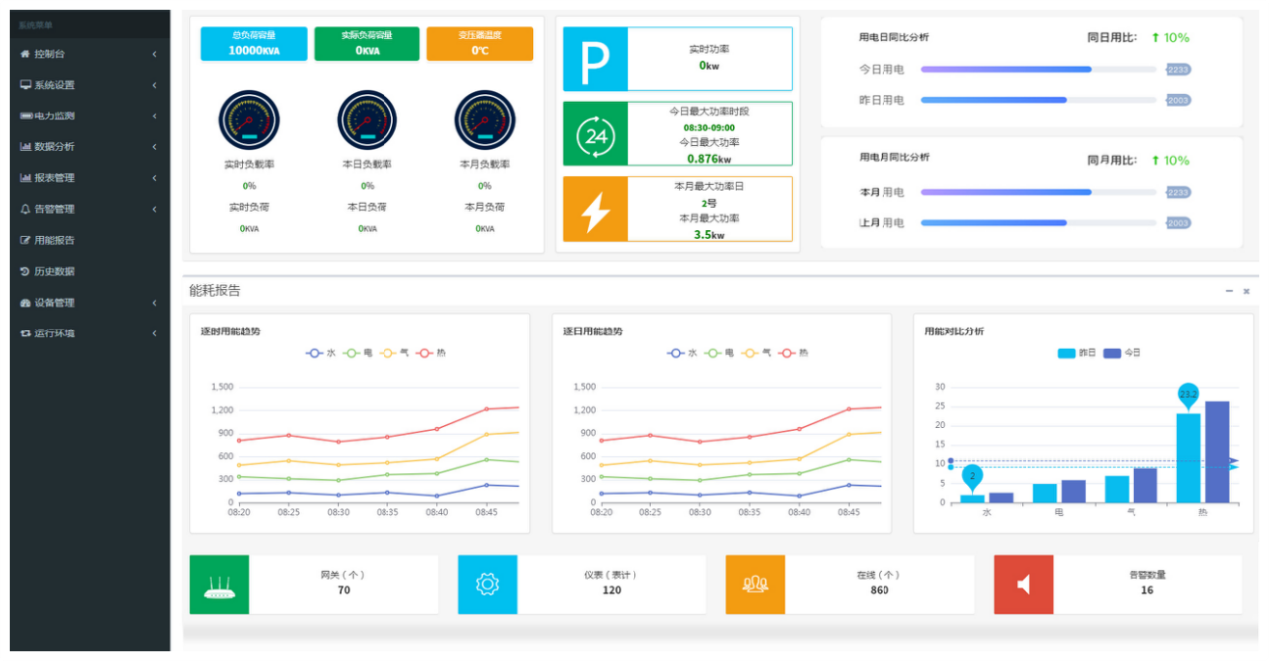
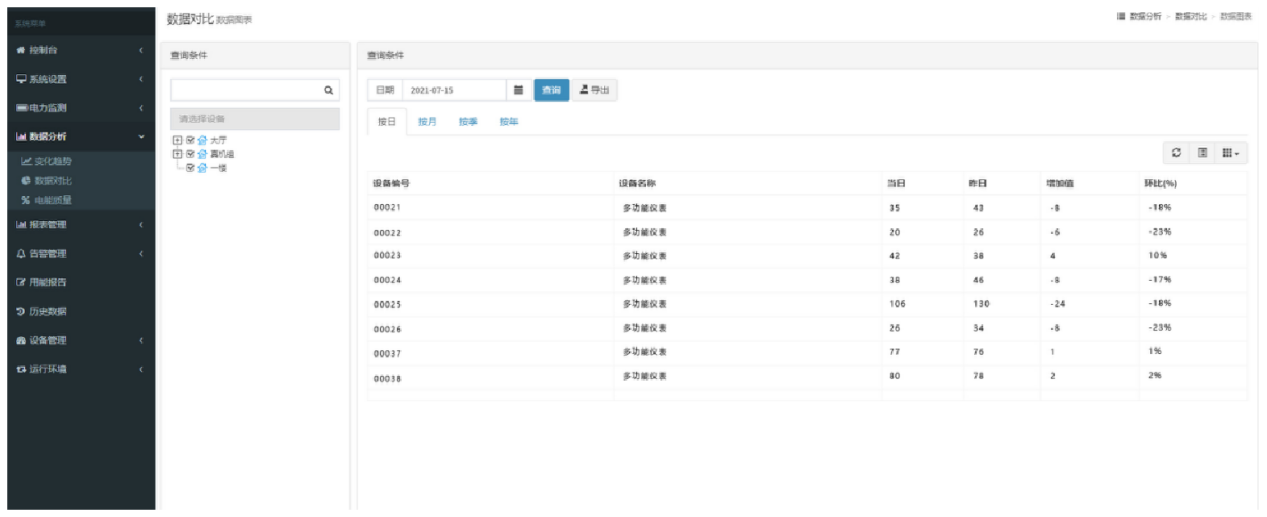
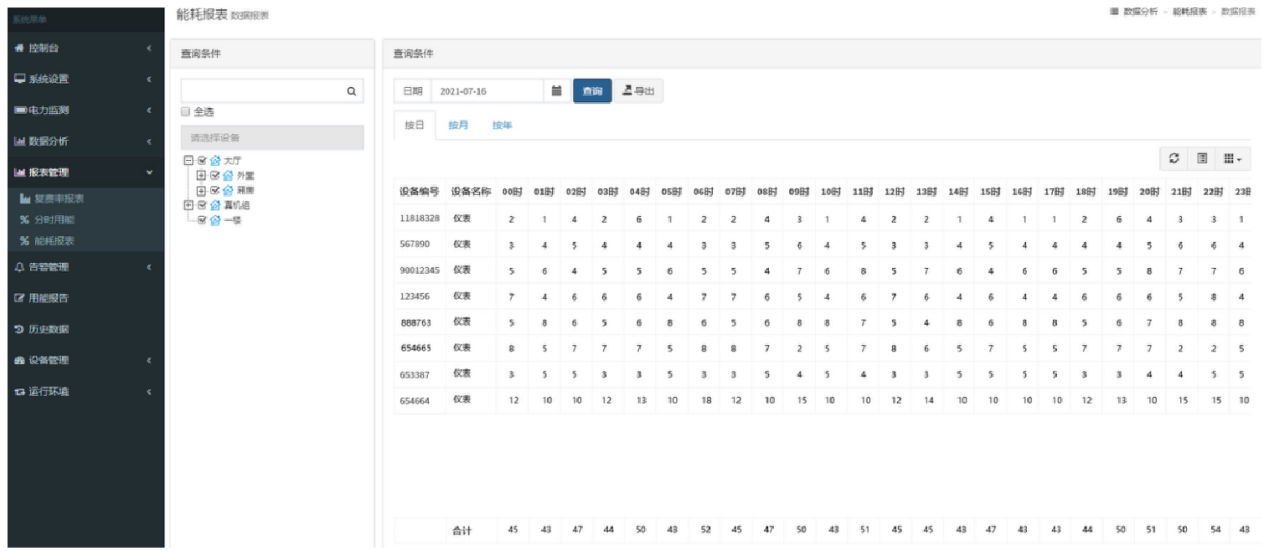
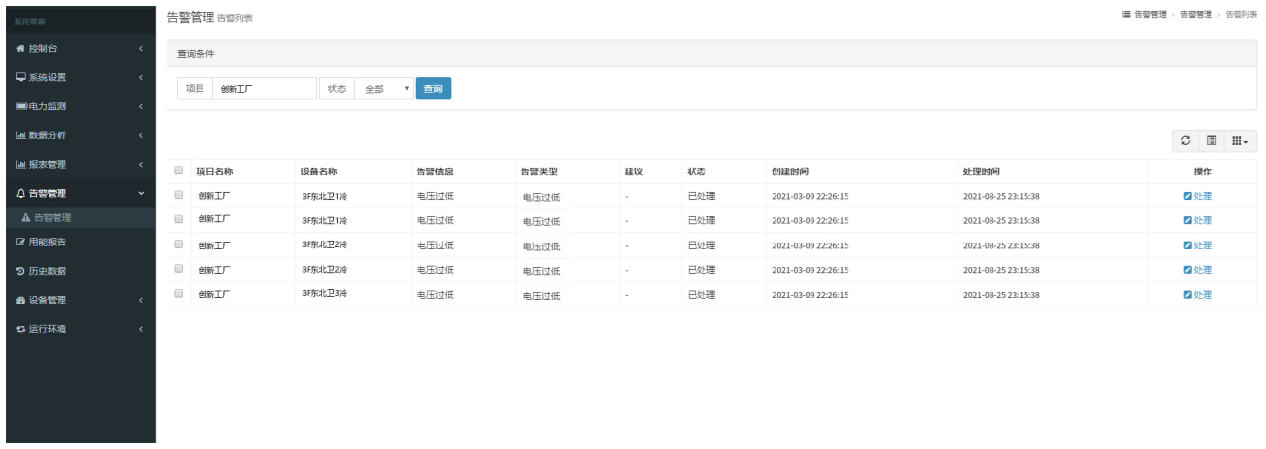

学校智能配电硬件产品:


常见问题
Q:数字体育频道适合什么人看?
Q:和「最被低估的一条支线」有什么不同?
Q:信息多久更新一次?

养生、健康类内容必须保证信息科学严谨,引用权威医学资料,虚假养生内容不仅违规,也无法获得长期稳定排名。 延伸阅读可参考 开云 (kaiyun)官方网站、2026年6月18日租赁权拍卖公告 - 公告信息 与 速彩娱乐APP(中国)官方网站官网入口(中国)官方网站-IOS/Android通用版(2026已更新)。
数字体育频道要点
开云 (kaiyun)官方网站官方版-开云 (kaiyun)官方网站2026最新版v.334.08.404.423 安卓版-22265安卓网
数字体育频道相关说明,可结合站内专题继续阅读。